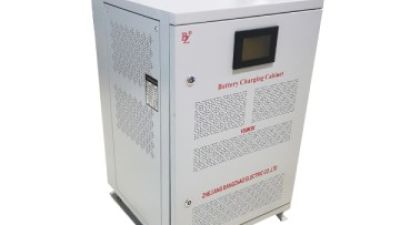
When you're looking into a Power Frequency Converter, it’s easy to feel overwhelmed by all the options and specs out there. Honestly, getting to grips with these devices is pretty important because they’re key players in energy conversion and how efficiently things run. But let’s be real — these aren’t just products you pick off the shelf; they’re a mix of cutting-edge technology and engineering wizardry. Their uses vary a lot, from small gadgets to huge industrial setups, and picking the right one really depends on your specific needs.
If you’re shopping around, think about what your project needs — like how big it is, what it’s used for, and how much energy efficiency matters to you. For example, if your facility is trying to boost its power quality, a device like a Touchscreen Digital Variable Frequency Ultra-Low Frequency Generator could be a game-changer. These gadgets give you better control over power applications and even let you monitor things in real-time. But, I gotta say, jumping into this tech can feel a little intimidating if you’re new to it, so making an informed choice is super important.
Honestly, the market can be pretty tricky to navigate — there are tons of manufacturers out there, and not all of them are on the same level when it comes to quality or reputation. Plus, you’ll want to think about future upgrades and maintenance. Not every converter is made the same, so doing your homework is a must. Figuring out if a converter is reliable isn’t always straightforward either. It’s a smart move to chat with industry pros, read reviews from real users, and get advice from people who really know the ins and outs of Power Frequency Converters. Trust me, a little research goes a long way!
Understanding Power Frequency Converters: An Overview
Power Frequency Converter s are essential devices in modern electrical systems. They enable the conversion of frequencies, ensuring equipment operates efficiently across different regions. An estimated 60% of global electrical equipment requires compatibility with varying power frequencies. This statistic highlights the importance of understanding how these converters function.
These devices can convert both AC to AC and DC to AC signals. They play a crucial role in industries like renewable energy and manufacturing. For instance, wind turbines often generate power at variable frequencies. A power frequency converter helps stabilize this output for use in the grid. Reports indicate that the demand for such converters is growing at a rate of 7% annually.
Choosing the right power frequency converter involves understanding specifications like capacity and modulation techniques. Many buyers overlook the importance of efficiency ratings. Reports show that improper selection can lead to energy losses of up to 20%. A comprehensive understanding of these elements can prevent costly operational issues and improve overall energy performance.
Key Specifications to Evaluate When Buying Power Frequency Converters
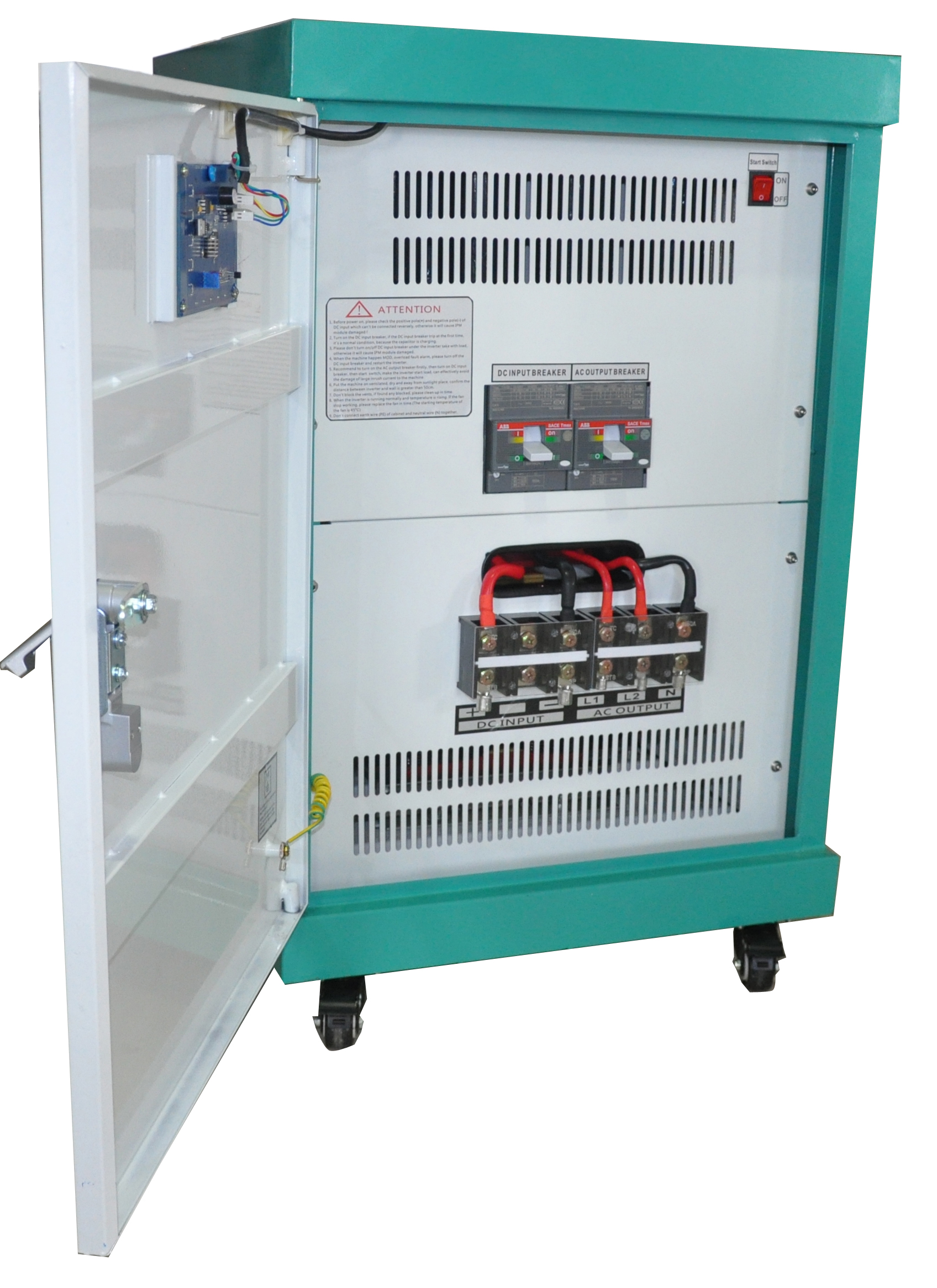
When buying power frequency converters, key specifications are crucial. Focus on input and output voltage compatibility. Ensure they match your region's electrical standards. Frequent adjustments can lead to inefficiency. Evaluate the converter's capacity, as it determines how much power it can handle. A miscalculation here could result in overheating or equipment failure.
Consider the converter's control features. This affects how well it performs under varying loads. Advanced converters often offer better stability and efficiency. It’s beneficial to check for integrated safety mechanisms. These protect against overloads and short circuits, ensuring reliable operation.
Tips for buyers: Evaluate the technical support provided by the manufacturer. Good support can reduce downtime during critical operations. Additionally, look for user reviews. Real-world experiences will highlight potential shortcomings. Remember that features like efficiency ratings matter significantly for long-term use. Regular maintenance can prolong the life of your Staic Frequency Converter, but proper initial setup is essential for performance.
Power Frequency Converter Tips for Global Buyers to Consider
| Specification | Description | Importance |
| Input Voltage | The voltage level required to operate the converter. | Ensures compatibility with power sources. |
| Output Voltage | The voltage level the converter will supply to the load. | Critical for powering equipment reliably. |
| Frequency Range | The range of frequencies the converter can handle. | Important for meeting the needs of different equipment. |
| Power Rating | Total wattage or VA that the converter can supply. | Ensures the converter can handle the load. |
| Efficiency | Percentage of input power converted to output power. | Affects operational costs and performance. |
| Cooling Mechanism | Method used to maintain optimal operating temperatures. | Prevents overheating and prolongs lifespan. |
| Form Factor | Size and shape of the converter. | Impacts installation and space requirements. |
| Protection Features | Built-in safeguards against overcurrent, surges, etc. | Enhances safety and reliability of equipment. |
| Compliance Standards | Regulatory standards the converter meets. | Ensures safety and quality assurance. |
Types of Power Frequency Converters and Their Applications
Power frequency converters are vital in global applications, serving various industries. They convert AC power from one frequency to another, enabling equipment to run efficiently in different regions. Several types exist, each designed for specific applications.
Static Frequency Converters are often used in industrial settings. They are efficient and reliable, with a reported efficiency of over 95%. These converters power machinery that operates at fixed speeds, ensuring smooth operations.
On the other hand, rotary frequency converters are typically found where larger power requirements exist. They handle high voltage applications, which can be essential in aerospace and marine industries.
The choice of power frequency converter can significantly impact operational costs. According to market research, the demand for these converters is expected to grow by approximately 8% annually. This growth reflects the increasing need for adaptable power solutions.
However, buyers must consider factors like energy efficiency and maintenance costs. Poor choices can lead to increased downtime and unnecessary expenditure. It’s crucial to weigh durability against initial investment.
Voltage and Frequency Compatibility for Global Markets
When considering power frequency converters for global markets, voltage and frequency compatibility is crucial. Different regions have varying standards, which can lead to performance issues. A converter must match the voltage ratings of both the power supply and the equipment. For instance, Europe often uses 230V at 50Hz, while North America typically operates at 120V and 60Hz. This disparity can cause unexpected failures if not carefully addressed.
Buyers should assess their needs carefully. First, check the voltage levels in the target market. Many converters can handle dual voltage inputs, which increases their flexibility. Additionally, frequency matching is essential. Some converters can adjust frequencies, while others cannot. Purchasing a converter without proper frequency capability may lead to inadequate machine operation.
Another critical consideration is the environment in which the converter will operate. Factors like temperature, humidity, and exposure to dust can affect performance. Ensure that the converter's specifications meet the demands of the intended application. Investing time in understanding these details can prevent costly mistakes. A mismatch can lead to inefficiencies and reduced equipment lifespan, which is often overlooked in the buying process.
Considerations for Energy Efficiency and Performance
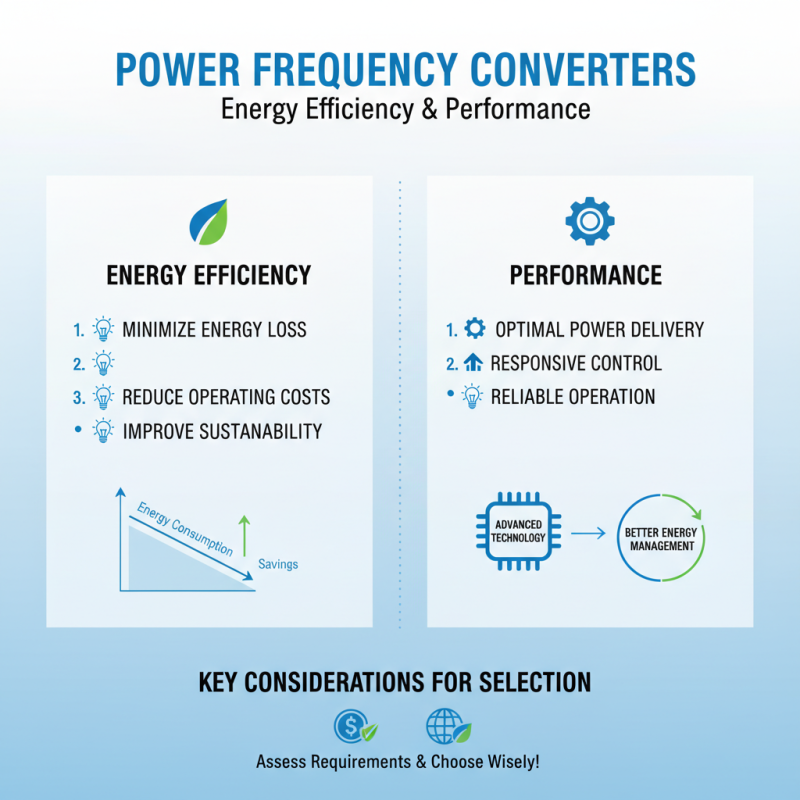
When selecting power frequency converters, energy efficiency and performance are critical considerations. Buyers must assess the specific energy requirements of their applications. Efficient converters can minimize energy loss during operation, impacting overall costs and sustainability. Look for converters designed with advanced technology that allows better energy management.
**Tips for Choosing Efficient Converters:**
Check the efficiency rating on power frequency converters. Higher ratings often translate to lower operating costs. Consider the design and materials used in the Static Frequency Converter, as these can significantly impact performance. Ensure that the converter meets your voltage and frequency specifications reliably.
Heat management is another aspect to think about. Efficient converters generate less heat, leading to fewer cooling requirements. Assess how a converter handles heat dissipation. Also, consider the converter's adaptability to different energy sources and significant fluctuations in load. A converter that performs well under diverse conditions is a wise choice. Prioritize options with proven technology and solid performance metrics.
Regulatory Standards and Certifications for Global Buyers
When exploring power frequency converters, understanding regulatory standards is crucial. Different regions have varying requirements, affecting product safety and performance. For global buyers, compliance with these standards can prevent future issues. Certificates ensure the product meets local regulations. They signify reliability and trustworthiness, helping you avoid poor-quality devices.
Tips for selecting frequency converters include checking for certifications. Look for ISO standards and international safety marks. These can guide you in making informed choices. Ensure the manufacturer provides documentation for these certifications. This transparency reflects the company's commitment to quality.
Another important aspect is understanding local regulations. Each country has unique requirements. Researching these can save time and resources. Engage with local experts or industry groups. They can provide insights into potential challenges. Recognizing non-compliance risks will help in risk management. Prioritize sourcing converters that align with your project’s needs and the regulations in place.
Maintenance and Support Services for Power Frequency Converters
Maintenance and support services for power frequency converters are crucial for optimal performance. Regular maintenance prevents significant issues and prolongs equipment life. Research indicates that 60% of failures stem from inadequate upkeep. Many users overlook this, leading to costly downtime. Implementing a structured maintenance program can mitigate these risks.
Support services are equally essential. A dedicated support team can address technical issues proactively. Manufacturers suggest that timely support can boost efficiency by as much as 35%. Having access to knowledgeable technicians allows for faster resolutions. Users should consider service agreements that encompass routine inspections and updates for their Frequency And Voltage Converter systems.
Additionally, the cost of neglecting maintenance can be staggering. A report from an industry firm revealed that unaddressed maintenance issues led to a 20% increase in operational costs. It's crucial to weigh these factors. Investing in maintenance and support ensures that power frequency converters operate at peak efficiency, enhancing reliability in various applications.
Power Frequency Converter Maintenance and Support Services
Maximizing Efficiency in High-Power Charging: Insights from Industry Reports on 100KW 250A Big Current Battery Chargers
Maximizing efficiency in high-power charging is crucial for meeting the increasing demands of electric vehicle (EV) infrastructure. The 100KW 250A Big Current Battery Charger exemplifies innovation in this field, engineered specifically to facilitate rapid charging for various battery types, including lead-acid, GEL, lithium iron phosphate, and fuel cells. Its sophisticated circuit design not only enhances performance but also ensures a broad constant-power voltage range, making it versatile for different charging needs.
One of the most significant advantages of this charger is its high efficiency across the entire load spectrum, which contributes to a reduced environmental footprint. The compact power density and ultra-low electromagnetic interference are indicative of its commitment to advanced technological standards. Such features not only foster operational energy savings at charging stations but also align with global low-carbon development goals, making it a forward-thinking solution for the future of EV charging infrastructure. This charger set a benchmark for environmentally friendly and efficient energy use in the rapidly evolving electric vehicle market.
FAQS
: It is a device that converts electrical frequencies, enabling equipment to operate efficiently across different regions.
Approximately 60% of global electrical equipment requires frequency compatibility to function properly.
They can convert AC to AC and DC to AC signals, which is vital in many industries.
Factors like temperature, humidity, and dust can significantly impact the efficiency and lifespan of converters.
Voltage compatibility and frequency matching are critical to prevent operational failures and inefficiencies.
Choosing the wrong converter can lead to energy losses of up to 20%, costing more in the long run.
Familiarity with regulatory standards in different regions is essential for compliance and product reliability.
Certifications provide assurance of product safety and adherence to local regulations, preventing future issues.
Engaging with local experts and checking for ISO and safety certification can guide better decisions.
Overlooking efficiency ratings and environmental requirements often leads to costly operational challenges.
Conclusion
Power Frequency Converters are essential devices for enabling compatibility between different power sources and loads across various global markets. When considering the purchase of a Power Frequency Converter, buyers should evaluate key specifications such as power ratings, efficiency levels, and compatibility with specific voltage and frequency requirements. Understanding the different types of converters and their applications will help in choosing the right one for specific operational needs.
Moreover, energy efficiency and performance are critical factors that can impact operational costs and environmental compliance. It's also important for buyers to be aware of relevant regulatory standards and certifications that can affect product selection. Lastly, ensuring access to reliable maintenance and support services is vital for the long-term functionality of Power Frequency Converters, further underlining the importance of thorough research and evaluation during the buying process.